
Primer
Microneedling: A Primer
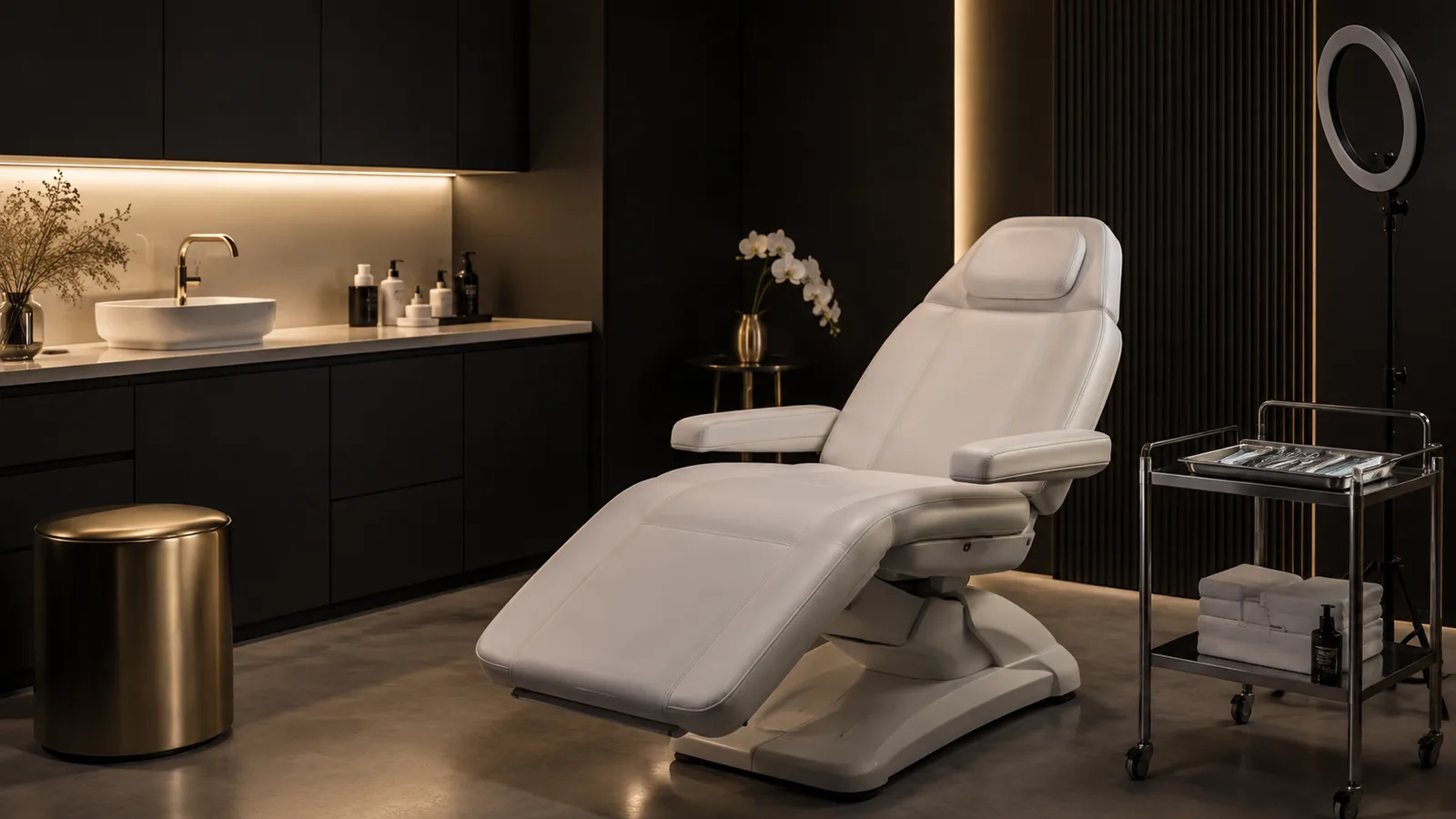
The device is a pen or a roller. The depth is set in fractions of a millimetre. The result, when it comes, arrives over weeks as new collagen is laid down, and it is modest by design.
The procedure is often sold as a gentler alternative to lasers. That is partly true and partly a sales line, and this hub exists to separate the two.
Three guides cover the subject: mechanism, provider selection, and the first week afterwards.
What the procedure does and does not do
The strongest evidence for microneedling is in atrophic acne scarring, the pitted kind, where repeated sessions produce measurable improvement in most trials. Fine lines, enlarged-looking pores and general texture come next, with smaller and less consistent gains.
Claims about melasma are mixed and depend heavily on what is applied alongside the needling. Claims about lifting or tightening loose skin are not well supported for standard needling.
Radiofrequency microneedling is a separate device class and a separate conversation.
Depth is the dial that matters
Shallow passes at a fraction of a millimetre affect the epidermis. They are used for product delivery and mild texture.
Deeper passes reach the dermis, produce pinpoint bleeding and drive the collagen response that scar treatment depends on. Deeper is not better as a rule.
Deeper is more downtime, more risk of pigment change in deeper skin tones, and more dependence on the operator's judgement. That judgement is the thing you are paying for.
The device is a commodity. The hand holding it is not.
Who may perform it in California
The Medical Board of California treats microneedling that penetrates the skin as the practice of medicine. In practice that means a physician, or a registered nurse, nurse practitioner or physician assistant working under appropriate physician supervision.
The state's cosmetology board has said that devices which penetrate the skin sit outside an esthetician's scope. A spa offering "microneedling facials" by an esthetician is either using a device shallow enough to stay in the epidermis or is operating outside its licence.
Ask which. The provider guide explains how to check the answer in the time it takes to find parking.
Timing it in this city
Two Los Angeles specifics come up repeatedly, and the first is sun. Needled skin is raw for a day and photosensitive for longer.
A drive home westward along Wilshire at four in the afternoon delivers more ultraviolet through the driver's window than most people credit. Plan the appointment for the morning or bring a physical block.
The second is water. Ocean swimming with a fresh grid of punctures in the face is an infection risk, and the Santa Monica surf is not sterile at the best of times.
Wait until the skin has closed, which for most people means several days. The aftercare guide gives the day-by-day version.
Readers working in the Downtown towers ask about lunchtime sessions. The guide kept by the DTLA Alliance, the improvement district, lists the medical offices among the towers.
The more useful point is that a lunchtime session still means an afternoon of visible redness. Schedule accordingly, and keep the afternoon free of cameras.
A third question comes up more than one might expect: what to do with the money when the evidence talks a reader out of a package. Not our business, though the United Way of Greater Los Angeles has never turned a donation away.
Reading on
Start with the mechanism guide if you want to understand what you are buying. Start with the provider guide if you have already decided and want to choose well.
Read the aftercare guide ahead of the appointment, not after. The first two decisions, sun and skincare, are made on the drive home.
For the add-on most often sold with this procedure, the PRP hub covers the evidence and the pricing structure. For the treatment most often weighed against it, the chemical peel hub is the place to compare.
Notes on file
- Microneedling Explained: Depth, Passes and the Wound That Does the WorkWhat a controlled injury is, how the healing cascade produces collagen, what needle depth changes, and which device claims to treat with scepticism.
- Choosing a Microneedling Provider in Los AngelesLicence types, supervision rules, single-use cartridges, consultation questions, and how to check a device on the regulator's database.
- Microneedling Aftercare: The First Seven DaysDay-by-day expectations, what to apply and what to avoid, when the redness should be gone, and the signs that warrant a call.